
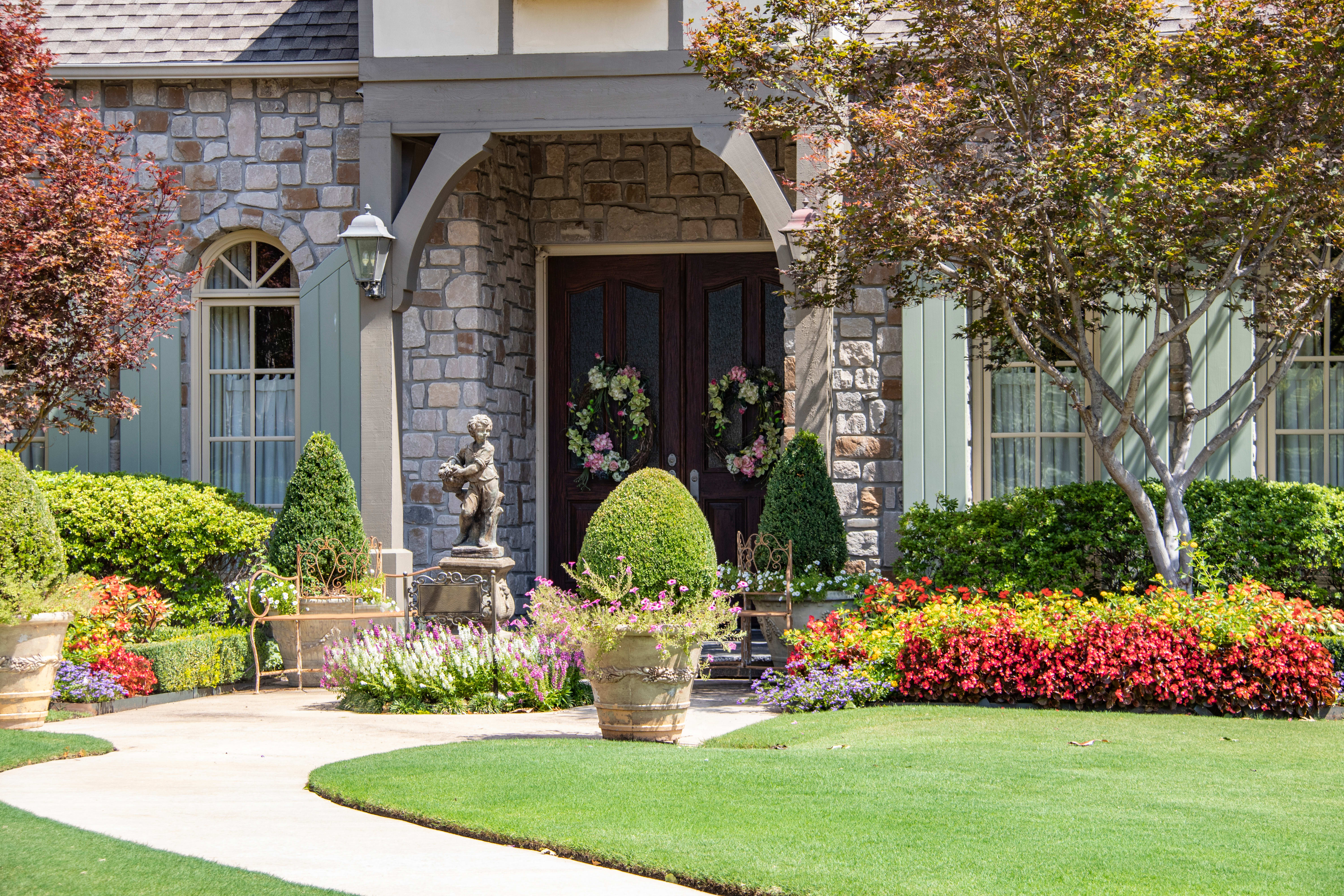
In real estate, first impressions aren’t just important—they’re everything. Curb appeal sets the tone before buyers even step out of the car. A fresh, well-kept yard tells a story: this home is cared for, stylish, and worth your attention. And that story often starts with smart, strategic landscaping.
As a real estate agent, you’re not just selling a house—you’re selling the lifestyle and promise that come with it. Helping your clients understand the power of curb appeal, particularly through landscaping, can result in faster sales, stronger offers, and more satisfied sellers.
Why Landscaping Matters in Today’s Market
Studies from the National Association of Realtors (NAR) show that 94% of agents recommend improving curb appeal before listing, and 71% say good landscaping directly boosts property value. Buyers may scroll through dozens of listings online, but it’s the ones with lush greenery, tidy walkways, and an inviting front entrance that stop the scroll—and get showings booked.
Well-planned landscaping not only photographs beautifully, it sets expectations for the rest of the home. If the front yard looks messy or tired, buyers may assume the interior is too.
Start With the Basics: Clean, Trim, and Define
Many sellers think landscaping means big dollars, but in most cases, it’s more about attention to detail. Encourage your clients to:
- Mow and edge the lawn regularly
- Trim back overgrown bushes and trees
- Weed garden beds and refresh mulch
- Remove any dead plants or seasonal debris
- Power wash walkways, fences, and porches
Even simple maintenance can breathe new life into the front yard and make the entire property look more polished.
Add Strategic Pops of Color and Texture
Flowers and plants go a long way in creating emotional appeal. Suggest low-maintenance options like lavender, succulents, or native perennials for easy color that lasts. Container gardens near the front entry can offer instant charm—think bold pots with seasonal blooms or ornamental grasses.
You might also recommend updating old planters, adding a fresh layer of bark or gravel, or installing a couple of solar-powered path lights. These small touches are inexpensive and help listings stand out, especially in evening photos or twilight showings.
Tailor Landscaping Advice to the Market
In dry regions like California, encourage drought-resistant landscaping. Buyers increasingly look for water-wise yards with native plants, drip irrigation, and reduced lawn space. Gravel beds, boulders, and xeriscaping aren’t just sustainable—they look clean, modern, and high-end.
In suburban neighborhoods, you may want to suggest adding privacy hedges or fencing, while in urban areas, curbside plantings and vertical gardens can soften hardscapes and add warmth.
Front Entry and Hardscape Tips
The front door area deserves extra attention. Make sure walkways are clear, porch lights work, and the front step or stoop feels welcoming. A fresh doormat, a clean door, and a couple of symmetrical planters can completely change a buyer's first impression.
If the hardscape is outdated or crumbling—think cracked concrete or faded pavers—consider suggesting small repairs or even resurfacing. These updates can significantly elevate the perceived value of the home without requiring a full overhaul.
Partnering With Professionals When Needed
Some sellers may not have the time or inclination to handle landscaping themselves. In these cases, recommending a local landscaper or yard cleanup crew can save the day. A professional touch—even for a few hundred dollars—can turn a forgettable front yard into a major selling point.
You can even consider partnering with landscapers as part of your listing prep services, offering sellers a turnkey package to make their home market-ready.
A Final Note for Agents
Curb appeal isn’t about perfection—it’s about presentation. Your goal is to help buyers feel something the moment they arrive: “This could be home.” With a few smart landscaping moves and your expert guidance, that feeling is well within reach.
So before you schedule those listing photos or the first open house, take a walk up the front path. What’s the story the yard is telling? If it’s not saying “welcome home,” it may be time to dig in—literally.