
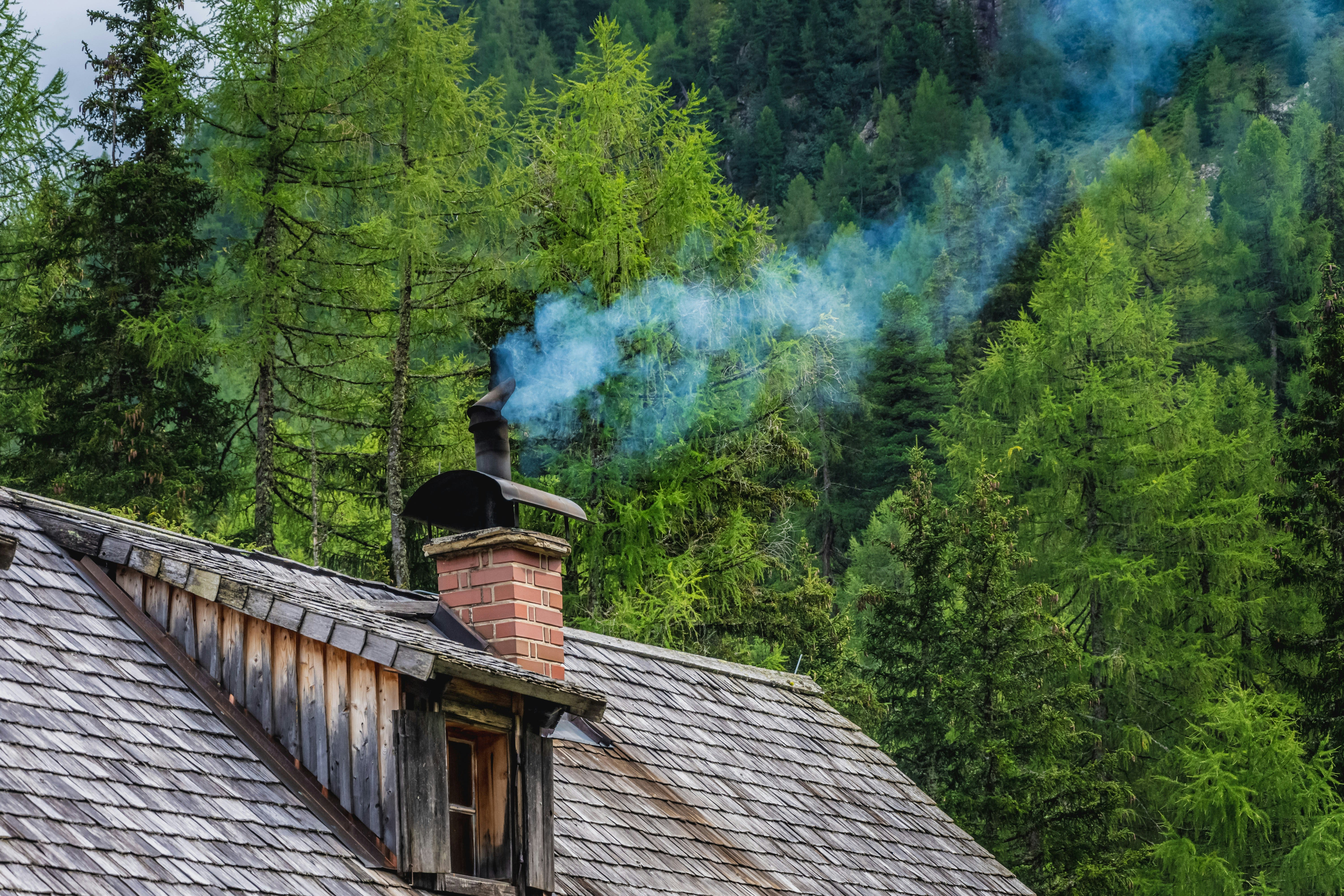
If you have a fireplace or wood-burning stove in California, chimney maintenance isn’t just about comfort — it’s tied to safety codes, air quality rules, and evolving building requirements. With stricter environmental standards and seismic considerations, regular chimney inspections are more important than ever for California homeowners.
Fire Safety Is Still the Top Priority
Across the U.S., national fire safety standards (used by many California jurisdictions) recommend inspecting chimneys, fireplaces, and vents at least once per year, with cleaning and repairs done as needed. Creosote buildup is highly flammable and a leading cause of chimney fires, which is why routine inspections are considered basic home safety.
California guidance also emphasizes annual professional cleaning to remove creosote and debris, which can otherwise fuel chimney fires and damage your home.
California Adds Environmental and Air Quality Considerations
California’s Air Resources Board highlights that residential wood burning contributes significantly to air pollution and health issues. Many local air districts have burn restrictions or “Spare the Air” rules, making proper maintenance and efficient burning critical to compliance and neighborhood air quality.
Keeping your chimney clean helps fireplaces burn more efficiently, reducing smoke output and lowering environmental impact — an especially important factor in California communities.
Seismic Activity Makes Inspections Even More Important
Because of earthquakes, California homeowners are often encouraged to inspect chimneys after seismic events. Even small structural shifts can create cracks or venting problems that aren’t visible from the ground.
Some local codes also require damaged chimneys to be evaluated by licensed engineers or architects before reconstruction, reflecting how seriously structural safety is treated.
Carbon Monoxide Rules Are Strict in California
Under the California Residential Code, homes with fuel-burning appliances or fireplaces must have carbon monoxide alarms installed (especially when adding or modifying fireplaces or fuel-burning systems).
Since blocked or damaged chimneys can cause dangerous gases to enter the home, inspections play a key role in preventing carbon monoxide exposure.
Staying on top of chimney inspections and maintenance is a simple step that can make a big difference in protecting your home, your family, and your investment — especially under California’s safety, environmental, and building standards. If you’re unsure about the condition of your chimney, recent inspection requirements, or how this may impact your home value or upcoming sale, we’re here to help.
Contact us anytime with questions or for guidance on next steps — we’re happy to connect you with trusted local professionals and help you make informed decisions about your home.