
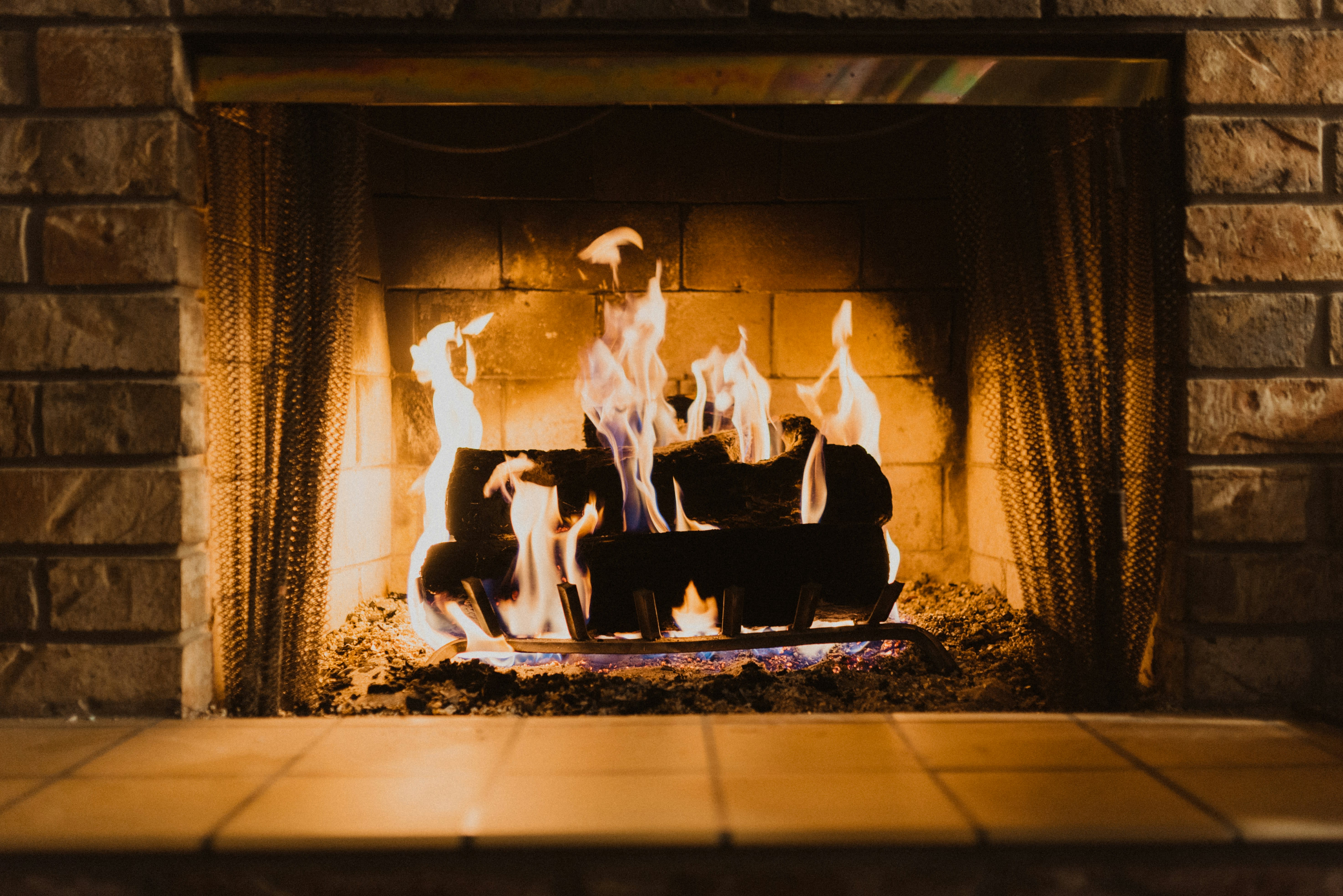
In California real estate, even small property condition issues can create major delays during escrow — and chimneys are one area that often gets overlooked until the home inspection. For agents working with buyers and sellers, understanding chimney inspection and maintenance expectations can help prevent surprises, support smoother negotiations, and protect your clients from safety and liability concerns.
Chimneys Are a Common Inspection Flag
Home inspectors in California frequently note chimney issues such as creosote buildup, cracked flue liners, damaged caps, or structural movement. Because many chimneys are older — especially in Bay Area and established California neighborhoods — deferred maintenance is common.
Encouraging sellers to complete a chimney inspection before listing can:
-
Reduce repair negotiations during escrow
-
Help justify list price
-
Minimize buyer safety concerns
-
Prevent last-minute repair credits or delays
Fire and Carbon Monoxide Risks Create Liability Concerns
Chimney issues are not just cosmetic. Creosote buildup can lead to chimney fires, and damaged flues can allow carbon monoxide to enter the home. California also requires carbon monoxide detectors in homes with fuel-burning appliances or fireplaces, making chimney condition directly tied to safety compliance.
For agents, identifying potential chimney concerns early helps reduce risk for both buyers and sellers.
Air Quality Rules Matter in Many California Markets
California’s air quality regulations and local burn restrictions make proper chimney function more important than ever. Poorly maintained chimneys can produce more smoke and pollution, which can be a concern in areas with strict air quality enforcement or seasonal burn bans.
While this may not always be a transaction stopper, it can come up during inspections or buyer due diligence.
Earthquake Activity Can Impact Chimney Structure
In California, seismic activity can shift or crack chimney structures — even if the damage isn’t obvious from ground level. Older masonry chimneys are especially vulnerable.
Agents should consider recommending chimney evaluation if:
-
The home is older construction
-
There has been recent seismic activity
-
The chimney shows visible cracking or leaning
Addressing these issues early can prevent renegotiation or repair requests later.
Proactive Chimney Inspections Help Deals Close Smoother
When sellers complete chimney inspections before listing, it often leads to:
-
More transparent disclosures
-
Fewer buyer repair requests
-
Faster contingency removal
-
Stronger buyer confidence
For buyers, knowing chimney condition upfront helps avoid unexpected repair costs after closing.
Best Practice Timing for Real Estate Transactions
General industry guidance suggests chimney inspections:
-
Annually for active fireplace use
-
Prior to listing for sellers
-
During buyer due diligence if no recent inspection exists
-
After major seismic events
Having documentation ready can make a big difference once a home hits the market.
Staying ahead of chimney inspections and maintenance is a small step that can help prevent big transaction headaches — especially in California, where safety standards, environmental regulations, and structural concerns all play a role. If you have questions about chimney inspections, how they may impact a listing or escrow timeline, or need trusted vendor recommendations, we’re here as a resource.
Reach out anytime for guidance or support — we’re here to help you keep your transactions moving smoothly and your clients well protected.